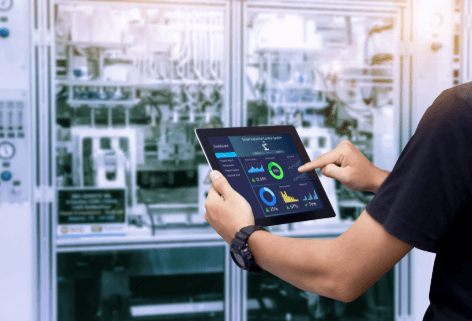
Technology enables centralized access to HVAC, lighting, security, and energy data through scalable architectures and standardized interfaces. Real-time sensing and occupancy analytics drive adaptive space use and energy optimization. Predictive maintenance and anomaly detection reduce downtime, while robust governance and cybersecurity support autonomous control within defined boundaries. Seamless integration and data pipelines empower operators with dashboards and benchmarks. The result is a resilient, interoperable ecosystem poised to evolve, inviting further exploration of its constraints and opportunities.
How Technology Drives Smart Building Efficiency
Technology drives efficiency in smart buildings by centralizing data from diverse subsystems—HVAC, lighting, security, and energy management—into an integrated platform.
The approach emphasizes scalable architectures, standardized interfaces, and interoperability.
Data security and privacy considerations are central, guiding governance and access controls.
Energy benchmarking and occupant comfort metrics provide measurable outcomes, aligning operational flexibility with sustainable performance and informed decision-making for freedom-minded stakeholders.
Real-Time Sensing and Occupancy Analytics
The approach emphasizes scalable data pipelines, modular integration, and real-time dashboards for operators.
It highlights real time sensing and occupancy analytics as essential for adaptive space usage, energy optimization, and freedom through informed decision-making.
Predictive Maintenance and Fault Detection for Uptime
The approach emphasizes scalable data pipelines, anomaly scoring, and condition-based triggers across portfolios.
Predictive maintenance enables proactive scheduling, while fault detection accelerates issue isolation, reducing downtime, optimizing maintenance costs, and supporting freedom through resilient infrastructure.
Seamless System Integration and User-Centric Control
Data governance ensures consistent data quality and lineage across platforms, while cybersecurity resilience underpins trusted, role-based access.
Scalable APIs enable rapid integration, empowering occupants with flexible, autonomous control without compromising governance.
Frequently Asked Questions
How Does Technology Affect Construction Costs for Smart Buildings?
The answer: Technology affects construction costs for smart buildings by enabling cost planning accuracy and vendor scaling efficiencies; data-driven insights support scalable integration, reducing marginal expenses while maintaining freedom to adapt systems to evolving performance targets and budgets.
What Privacy Measures Protect Occupant Data Collected by Sensors?
Under the radar, privacy controls and clear data ownership safeguards are established, ensuring sensors anonymize data and minimize exposure. The approach scales, integrates across platforms, and empowers occupants, preserving freedom while delivering robust, auditable protection.
Can Smaller Facilities Implement Advanced Smart Building Tech Cost-Effectively?
Smaller facilities can implement advanced smart building tech cost-effectively, enabling cost effective scalability and practical ROI. A vendor neutral integration approach supports interoperable systems, while scalable architectures accommodate growth, delivering data-driven insights and freedom through flexible, affordable implementation strategies.
How Do Regulations Influence Interoperability of Building Systems?
Regulatory compliance shapes interoperability by mandating baseline interfaces and data formats, guiding procurement toward interoperable components. Interoperability standards enable scalable integration across systems, while balancing freedom of design with risk-managed, data-driven, cost-effective deployments—an anachronistic whisper of governance.
See also: How Technology Is Enhancing Smart Energy Distribution
What Skills Are Required for Ongoing Tech-Enabled Building Management?
The required skills include proficient operations planning, cybersecurity awareness, and continuous learning for tech-enabled building management; emphasis on data integration and skills management to support scalable, interoperable systems, prioritizing adaptive workflows and freedom through structured, data-driven governance.
Conclusion
Smart building ecosystems converge data from HVAC, lighting, security, and energy management into interoperable, scalable platforms. Real-time sensing and occupancy analytics enable adaptive space usage while predictive maintenance reduces downtime. Seamless integration and role-based controls empower operators with dashboards and governance, supporting autonomous yet bounded actions. Example: a commercial tower deploys unified sensing, predictive fault detection, and demand-responsive HVAC, cutting energy use by 18% year over year while maintaining occupant comfort and system uptime. This data-driven, scalable approach underpins resilient, efficient buildings.