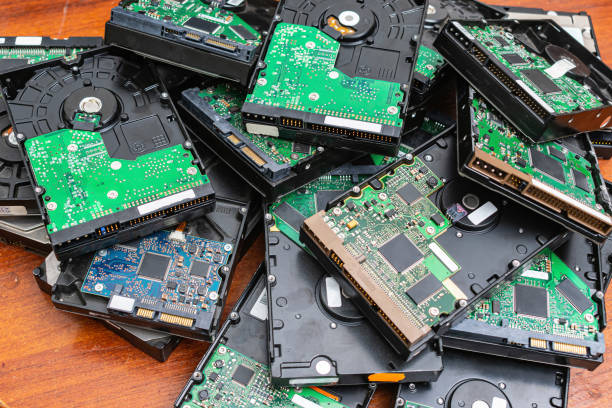
In today’s digital environment, businesses generate and store vast amounts of sensitive information on computers, servers, laptops, and external storage devices. While much attention is given to protecting active systems from cyber threats, organizations often overlook the risks associated with retired or obsolete hardware.This is where a hard disk disposal service becomes essential, ensuring that sensitive information is securely destroyed while helping organizations safeguard confidential data, maintain regulatory compliance, and reduce the risk of costly data breaches.
Understanding Hard Disk Disposal
A hard disk contains a significant amount of information, including customer records, employee data, financial documents, business communications, and proprietary company information. Even after files are deleted or devices are reformatted, data can often remain recoverable without proper destruction methods.
A hard disk disposal service focuses on securely removing, destroying, or sanitizing data stored on retired storage devices. These services are designed to ensure that information cannot be accessed, reconstructed, or misused after the hardware reaches the end of its useful life.
What Is Included in Hard Disk Disposal?
Professional disposal services may include:
- Secure collection of storage devices
- Asset inventory and tracking
- Data wiping and sanitization
- Physical destruction of hard drives
- Documentation and reporting
- Environmentally responsible recycling
Each step helps ensure that sensitive information remains protected throughout the disposal process.
Why Secure Data Destruction Is Important
Businesses face numerous risks when hard drives are discarded improperly. Simply deleting files or throwing away old equipment does not eliminate the possibility of data recovery.
Preventing Data Breaches
Data breaches can occur when unauthorized individuals gain access to sensitive information stored on discarded devices. Criminals often target improperly disposed electronics because they may contain valuable personal and business data.
Secure data destruction eliminates this risk by ensuring that stored information becomes permanently inaccessible.
Protecting Customer Information
Organizations are responsible for protecting customer data throughout its lifecycle. Information such as names, addresses, payment details, and account records can create significant liabilities if exposed.
Proper hard disk disposal helps maintain customer trust and reduces the risk of identity theft or fraud resulting from recovered data.
Safeguarding Employee Records
Businesses also store confidential employee information, including payroll records, tax information, performance reviews, and identification documents.
Secure destruction prevents unauthorized access to sensitive personnel records and helps organizations fulfill their privacy obligations.
Common Risks of Improper Hard Drive Disposal
Many organizations underestimate how much information remains on retired devices. Even older hard drives may contain years of archived business data.
Data Recovery from Discarded Drives
Deleted files often remain recoverable using specialized software. Without proper sanitization or destruction, unauthorized individuals may retrieve information from discarded hardware.
Regulatory Penalties
Many industries must comply with data protection and privacy regulations. Failure to properly destroy sensitive information can result in fines, legal consequences, and reputational damage.
Reputation Damage
A single incident involving improperly disposed hard drives can negatively affect public perception. Customers and business partners expect organizations to handle sensitive information responsibly.
Methods Used in Secure Data Destruction
Different types of storage devices require different destruction methods. The appropriate approach depends on the sensitivity of the data and whether the hardware will be reused.
Data Wiping
Data wiping uses specialized software to overwrite stored information multiple times. This process makes data unrecoverable while allowing the device to remain functional.
Benefits of Data Wiping
- Supports device reuse
- Reduces electronic waste
- Maintains data security
- Provides verification records
Physical Destruction
Physical destruction involves damaging the storage media to prevent future access to the data.
Common methods include:
- Shredding
- Crushing
- Drilling
- Degaussing
- Disintegration
These methods ensure that the hard drive cannot be reconstructed or reused.
Degaussing
Degaussing uses a powerful magnetic field to erase information stored on magnetic media. This process disrupts the magnetic patterns that contain data, making recovery impossible.
Benefits of Using a Professional Hard Disk Disposal Service
Professional services offer advantages that go beyond simply destroying old equipment.
Enhanced Security
Specialized disposal procedures reduce the possibility of human error and ensure that every device is processed according to established security standards.
Chain of Custody Tracking
Tracking systems document each stage of the disposal process, from collection through destruction. This creates accountability and helps organizations maintain accurate records.
Documentation and Reporting
Many businesses require proof that data was destroyed properly. Professional services typically provide detailed documentation to support internal audits and compliance requirements.
Reduced Operational Burden
Managing data destruction internally can consume time and resources. Outsourcing the process allows organizations to focus on their core business activities while ensuring proper handling of retired assets.
Industries That Benefit from Secure Hard Disk Disposal
Virtually every industry can benefit from secure data destruction, particularly those that handle sensitive information.
Healthcare Organizations
Healthcare providers often store patient records, treatment histories, and billing information. Secure disposal helps protect confidential medical data.
Financial Institutions
Banks, accounting firms, and financial service providers manage large volumes of sensitive financial information that requires careful handling during disposal.
Government Agencies
Government entities frequently maintain confidential records that must be securely destroyed when equipment reaches the end of its lifecycle.
Educational Institutions
Schools and universities store student information, financial records, and research data that require protection.
Corporate Enterprises
Businesses of all sizes maintain intellectual property, strategic plans, and customer information that should never be exposed through improper disposal practices.
Environmental Considerations in Hard Drive Disposal
Responsible disposal involves more than protecting data. Organizations should also consider the environmental impact of electronic waste.
Reducing Electronic Waste
Many retired devices contain valuable materials that can be recovered and reused. Proper recycling programs help reduce landfill waste and support sustainability efforts.
Recovering Valuable Materials
Hard drives contain metals and components that can often be processed and repurposed through approved recycling methods.
Supporting Sustainability Goals
Environmentally responsible disposal aligns with broader corporate sustainability initiatives and demonstrates a commitment to responsible resource management.
Best Practices for Businesses
Organizations can strengthen their data security efforts by following established disposal practices.
Develop a Disposal Policy
Create clear procedures for retiring, collecting, and destroying storage devices.
Maintain Asset Inventories
Keep detailed records of all hardware assets to ensure accountability throughout the disposal process.
Train Employees
Educate staff on proper disposal procedures and the risks associated with mishandling storage devices.
Schedule Regular Disposal Activities
Rather than allowing obsolete equipment to accumulate, establish routine disposal schedules to minimize risk.
Choosing the Right Hard Disk Disposal Approach
The best disposal method depends on several factors, including the sensitivity of the information, regulatory requirements, and whether the hardware will be reused.
Organizations should evaluate:
- Security requirements
- Compliance obligations
- Environmental goals
- Asset recovery opportunities
- Documentation needs
A structured approach ensures that data remains protected while supporting operational and sustainability objectives.
See also: How Cryptocurrency Is Influencing Online Businesses
Conclusion
A hard disk disposal service plays a vital role in protecting businesses from data breaches, compliance violations, and reputational harm. As organizations continue to generate and store increasing amounts of digital information, secure data destruction becomes an essential component of responsible information management. By implementing proper disposal practices and ensuring that retired storage devices are securely processed, businesses can safeguard sensitive information, meet regulatory requirements, and support environmentally responsible operations. Secure hard drive disposal is not just an IT task—it is a critical business safeguard that helps protect an organization’s future.