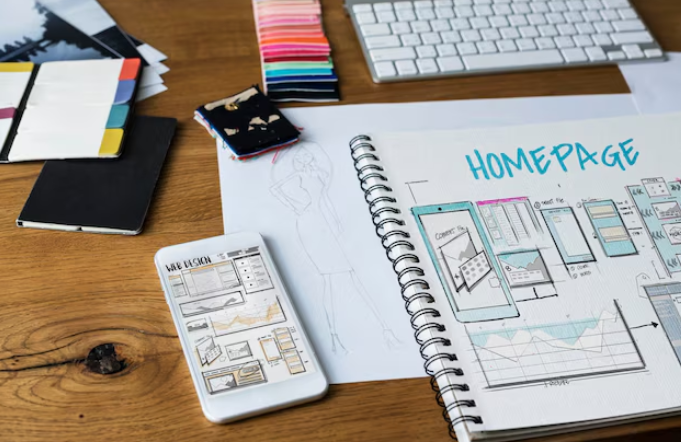
The digital world continues to transform how businesses communicate, connect, and build relationships with their audiences. A strong online presence is no longer limited to having a website. Businesses today need engaging digital experiences that provide useful information, encourage interaction, and create a lasting impression.
Many businesses are focusing on web design services in Rockingham to improve their online platforms, refresh their digital appearance, and create websites that better support audience expectations. A thoughtfully designed website helps visitors navigate information easily while presenting a professional and trustworthy brand image.
Modern web experiences combine creativity, technology, and user-focused strategies. Next Level Digital Marketing Agency helps businesses develop digital solutions that improve online engagement and strengthen brand connections. As technology and user preferences continue changing, businesses need websites that are flexible, visually appealing, and designed around real audience needs.
The Evolution of Modern Website Experiences
Websites have changed from simple information pages into interactive platforms that support communication, brand awareness, and customer relationships. Visitors now expect websites to provide quick access to information while offering smooth and enjoyable experiences.
Modern website development focuses on understanding how users interact with digital platforms. Every element, including layout, navigation, images, and content structure, plays an important role in shaping visitor impressions.
Important parts of a modern website experience include:
- Clear and organized page structures.
- Easy navigation throughout the website.
- Engaging visual elements.
- Useful and relevant information.
- Smooth performance across devices.
A well-planned website helps businesses communicate effectively while creating a positive experience for visitors.
See also: Elevator Mirror Installation Trends Transforming Modern Spaces
The Importance of User-Focused Website Design
User-focused design places visitors at the center of the website creation process. Instead of only focusing on appearance, businesses are now prioritizing usability and accessibility.
A website should help visitors find answers, explore information, and complete actions without confusion. When users enjoy their experience, they are more likely to build trust with a brand.
A user-friendly website includes:
- Simple navigation menus.
- Logical content organization.
- Clear page layouts.
- Accessible features for different users.
Designing around audience expectations allows businesses to create stronger digital connections and improve overall engagement.
Minimal Design Trends Creating Better Digital Experiences
Minimal design has become a popular approach because it creates clean and focused website experiences. By reducing unnecessary elements, businesses can highlight important information and guide visitors more effectively.
A simple design does not mean a lack of creativity. Instead, it focuses on balance, clarity, and purpose.
Modern minimal design often includes:
- Clean visual arrangements.
- Balanced spacing between elements.
- Easy-to-read typography.
- Focused content presentation.
A well-organized design helps visitors understand a brand message quickly and creates a professional online appearance.
Responsive Design for a Mobile-First Audience
Mobile devices have changed the way people browse websites. Visitors expect websites to work smoothly on smartphones, tablets, and different screen sizes.
Responsive design ensures that website content adjusts properly while maintaining functionality and visual quality.
Important features of responsive design include:
- Flexible layouts.
- Mobile-friendly navigation.
- Optimized images.
- Easy interaction on smaller screens.
A responsive website helps businesses provide consistent experiences and reach audiences through multiple devices.
The Growing Influence of Visual Storytelling
Visual storytelling has become an important part of website design because people often connect with images and creative elements before reading detailed information.
A website can communicate a brand’s personality through colors, graphics, photography, and layout choices. Strong visuals help create emotional connections and make information easier to understand.
Effective visual storytelling involves:
- Consistent brand presentation.
- Meaningful images and graphics.
- Creative page designs.
- Visual elements that support content.
A strong visual strategy allows businesses to share their message in a memorable way.
Interactive Features Enhancing Visitor Engagement
Interactive website features help transform visitors from passive viewers into active participants. Thoughtful interactions can make browsing more enjoyable and encourage visitors to explore additional content.
Modern websites often use interactive elements to improve engagement while maintaining simplicity.
Examples of useful interactive features include:
- Smooth animations.
- Interactive content sections.
- Engaging transitions.
- Personalized website elements.
The goal of interaction is to improve the user experience rather than create unnecessary distractions.
Website Performance and Its Role in User Satisfaction
Website performance plays a major role in how visitors experience a digital platform. A visually attractive website should also provide smooth and efficient functionality.
Slow or difficult-to-use websites can create frustration and reduce visitor engagement. Businesses should focus on building platforms that are both appealing and reliable.
Performance-focused design includes:
- Optimized website elements.
- Efficient content organization.
- Smooth page movement.
- Reliable functionality.
A high-quality website balances creative design with strong technical performance.
Personalization Creating Stronger Digital Relationships
Personalized website experiences help businesses connect with visitors in a more meaningful way. Instead of showing the same information to everyone, businesses can create experiences that better match audience interests.
Personalization allows websites to feel more relevant and engaging.
Benefits of personalized experiences include:
- Improved visitor satisfaction.
- More meaningful interactions.
- Stronger brand relationships.
- Better audience understanding.
When businesses focus on individual needs, they can create digital experiences that feel more valuable.
Accessibility as a Key Website Design Priority
Accessibility has become an important part of modern website development. Businesses should create websites that allow different audiences to access information easily.
An accessible website provides a better experience for everyone and demonstrates a commitment to inclusive digital communication.
Important accessibility practices include:
- Clear text formatting.
- Easy navigation options.
- Helpful visual descriptions.
- Organized content structures.
Accessibility helps businesses create websites that welcome a wider audience.
The Role of Artificial Intelligence in Website Development
Artificial intelligence is influencing how websites are created, managed, and improved. AI tools can support businesses by helping analyze user behavior, organize content, and improve digital experiences.
While technology provides useful support, creative thinking remains important for developing websites that feel authentic and human.
AI can assist with:
- Understanding visitor patterns.
- Supporting content planning.
- Improving workflow processes.
- Creating personalized experiences.
Combining technology with creativity allows businesses to develop more effective online platforms.
Building Trust Through Professional Website Design
A website often shapes the first impression people have of a business. A professional design can help establish credibility and encourage visitors to feel confident.
Trust is created through clear communication, consistent branding, and reliable website experiences.
Businesses can strengthen trust by:
- Providing accurate information.
- Maintaining a professional appearance.
- Creating easy-to-understand content.
- Offering smooth user experiences.
A trustworthy website helps businesses build stronger relationships with their audiences.
Future Trends Shaping Website Design
Website design will continue evolving as technology advances and user expectations change. Businesses that stay aware of emerging trends can create stronger digital experiences.
Future website trends are expected to focus on smarter technology, improved accessibility, and more personalized interactions.
Important future-focused areas include:
- More intelligent digital features.
- Greater personalization.
- Enhanced user experiences.
- Stronger focus on accessibility.
Adapting to these changes helps businesses maintain relevant and engaging online platforms.
Creating a Long-Term Website Improvement Strategy
A successful website requires continuous attention and thoughtful planning. Businesses should regularly evaluate their digital platforms and look for ways to improve visitor experiences.
A long-term website strategy should focus on:
- Understanding audience behavior.
- Updating design elements.
- Improving website usability.
- Creating valuable content.
- Maintaining consistent branding.
A website should continue growing with a business and adapt to changing digital expectations.
Designing Digital Experiences That Inspire Growth
Modern website design is about creating meaningful connections between businesses and audiences. A successful website combines visual creativity, smooth functionality, and user-focused strategies to deliver valuable experiences.
Next Level Digital Marketing Agency supports businesses by developing innovative digital solutions that help brands strengthen their online presence and create engaging website experiences.
Move Forward With a Stronger Digital Presence
A well-designed website can help businesses communicate their message clearly, improve audience engagement, and create a stronger online identity. Contact us today to explore opportunities for developing a website experience that supports your business goals and connects with your audience.